
What otoplasty corrects, the right age for children, how the operation is performed, what recovery involves and what to plan if you are travelling from abroad.
When ear aesthetics is preferred, the procedures to be applied are generally as follows
Correction can be performed with local or general anesthesia in a period of up to 1.5 hours.
After the operation, the patient uses a tennis bandage for 2 weeks. we recommend using it only at night for 2 weeks.
Discover our Plastic, Reconstructive and Aesthetic Surgery Office
We have answered the most curious topics of patients in Ear Aesthetics for you. For all other questions, you can always contact us
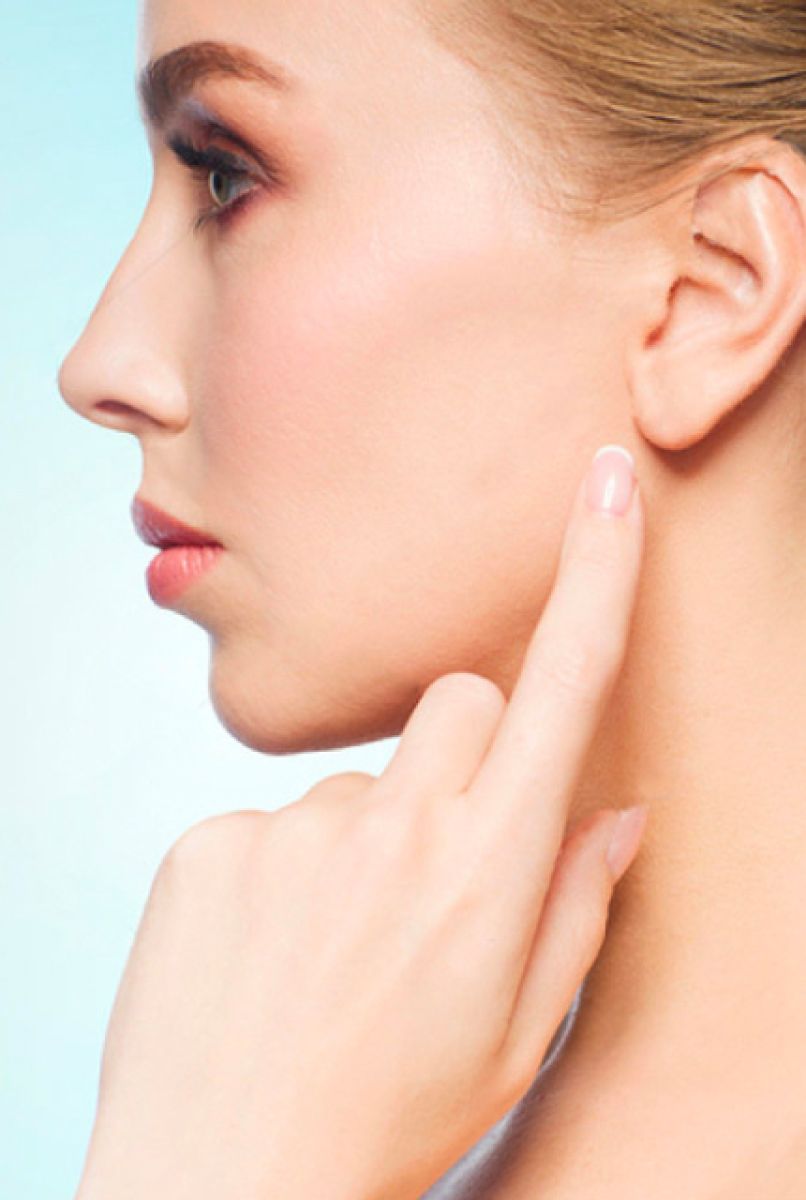
The fact that the ears extend outwards from the head more perpendicularly than they should be and are especially noticeable at a glance from the front or from behind is called a “prominent ear deformity”. This condition, which is observed in about 5% of the society in different degrees and different types, can be monitored in one or both ears and although it does not cause any health problems, it can lead to significant psychological problems.
After the operation, the patient uses a tennis bandage for 2 weeks. we recommend using it only at night for 2 weeks. Cartilage memory is the most challenging issue for us in cartilage shaping operations. Since cartilage, which is an elastic tissue, will try to take its former shape, it is very important to use bandages that support our seams harmoniously.
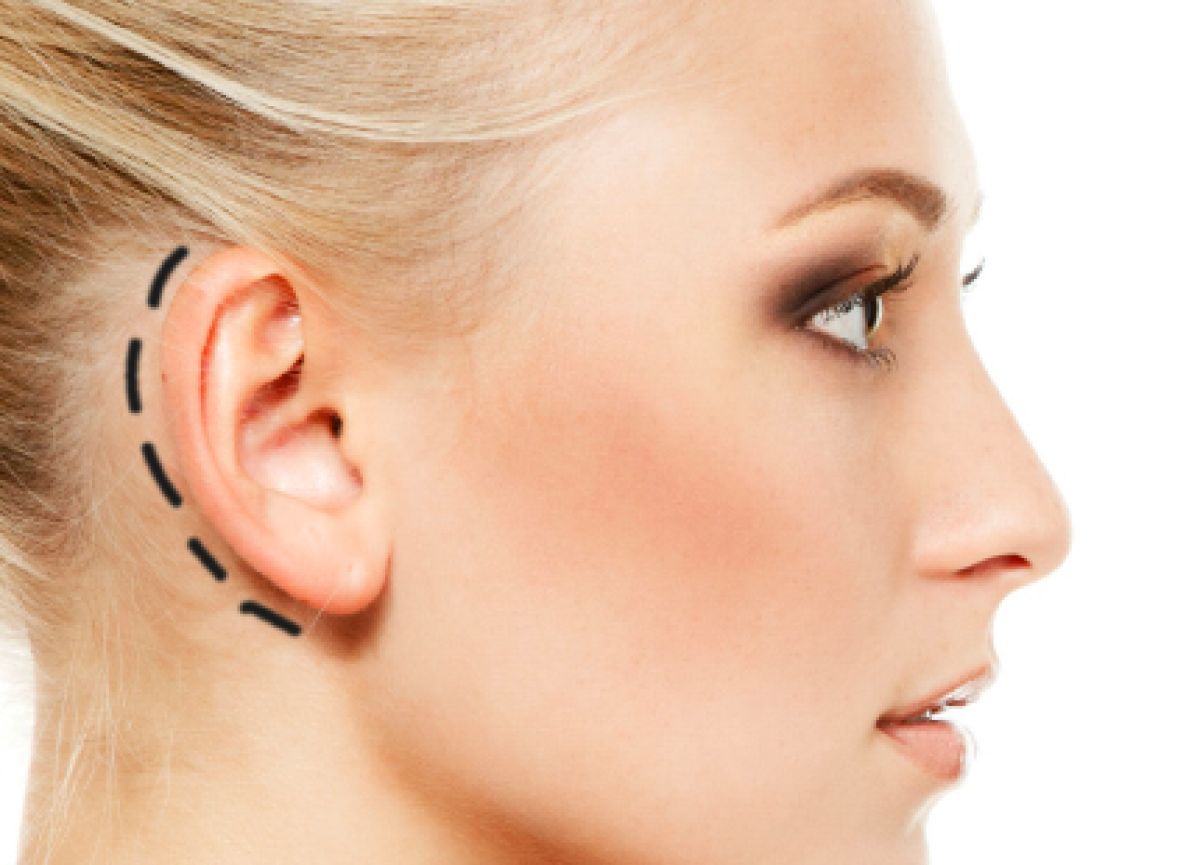
Since the operation will be performed with incisions made behind the ear, there will be no visible scars.
Usually, severe pain may appear on the first night after surgery, which will gradually decrease in the following days.
Prominent ears are one of the few features people are teased about in childhood and continue to think about for decades afterwards. Otoplasty, or ear correction surgery, is a relatively small operation with a disproportionately large effect on how self-conscious someone feels. It is also one of the procedures international patients most often combine with a short trip, because recovery is manageable and the visible healing period is short.
Prominent ears usually result from one of two things, and often both together:
Correcting these is what the operation does. It reshapes the cartilage and repositions the ear closer to the head at a natural angle. It does not change the size of the ear substantially, and it is not the same operation as reconstructing a missing or malformed ear, which is a different undertaking.
Otoplasty can also address a folded upper rim, asymmetry between the two sides, and earlobes that sit prominently.
The ear reaches close to adult size early, generally by around five to six years of age. Surgery is usually considered from that point onwards, because the cartilage has developed enough to hold its new shape and because operating before school-age teasing begins spares a child a good deal of distress.
Two things matter more than the exact age. The child should be able to understand what is happening and cooperate with wearing a headband afterwards, and ideally the wish should be at least partly the child's own. I do not think it is helpful to operate on a child who has no interest in it because a parent finds the ears bothersome.
There is no upper age limit. A large proportion of my otoplasty patients are adults who decided in their thirties or forties that they had spent long enough arranging their hair around it.
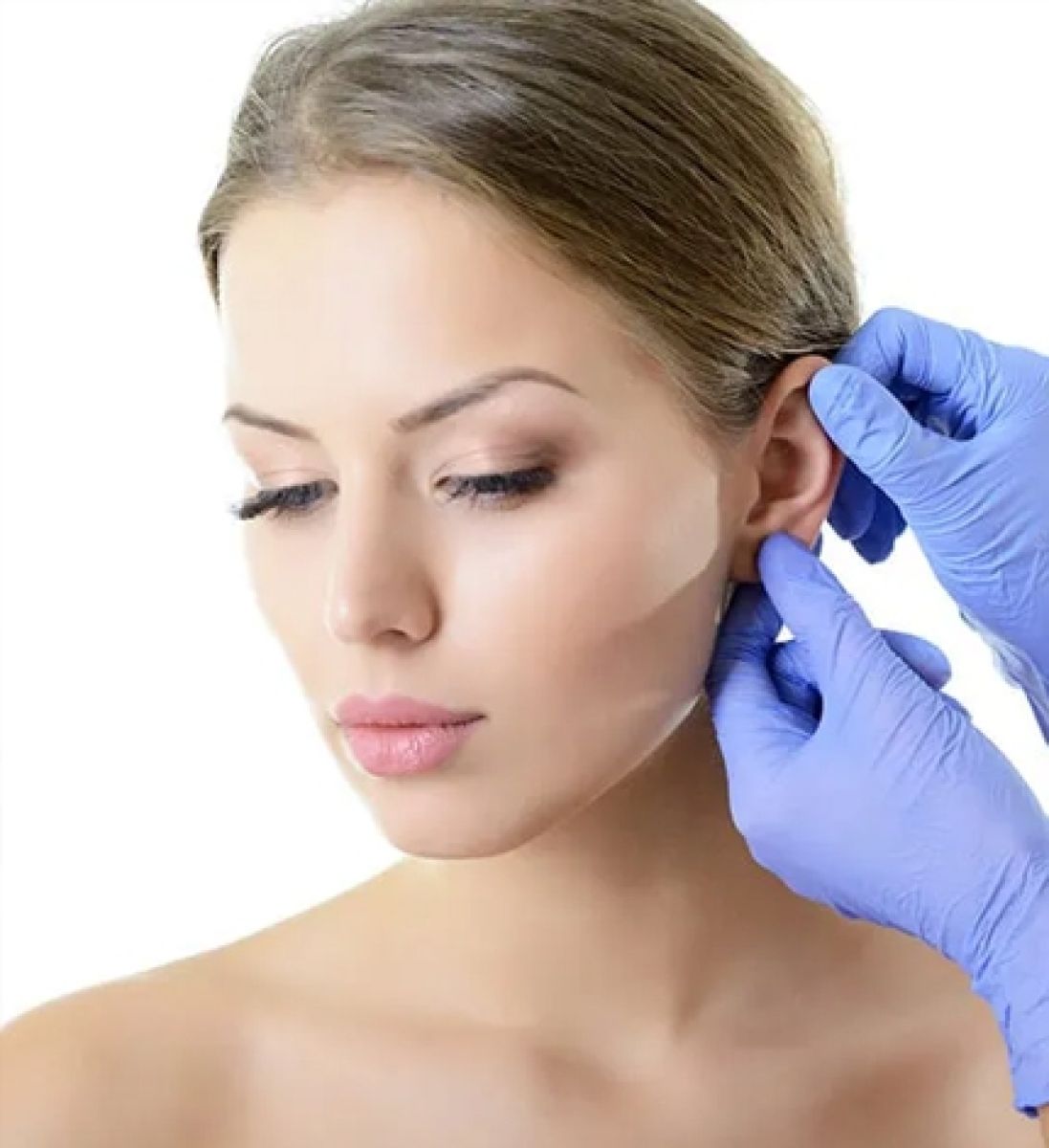
The incision is placed behind the ear, in the natural crease where the ear meets the head. Through it, the cartilage is reshaped to create the missing fold and, where necessary, a portion of the conchal cartilage is reduced. Permanent sutures hold the new shape.
Both ears are almost always operated on together, even when only one is prominent, because symmetry is judged as a pair.
In adults the operation is commonly performed under local anaesthesia with sedation. In children general anaesthesia is usual. It takes in the region of one to two hours depending on what is required, and it is a day case in most instances.
You may see "incisionless" or "stitch-only" otoplasty advertised. These techniques place sutures through small punctures without reshaping cartilage. They can work in carefully selected cases with soft, flexible cartilage, but they carry a higher rate of the ears gradually returning towards their original position, particularly in adults whose cartilage is stiffer. Which technique suits you depends on your cartilage, and that requires examination.
Most adults return to desk work within about a week. Contact sports and swimming wait considerably longer, generally six weeks or more.
Otoplasty is a well-established operation, but like any surgery it carries risk:
If you or your family have a history of keloid scarring, tell your surgeon before surgery. It changes both the discussion and the aftercare.
Of the procedures international patients ask me about, otoplasty is among the more straightforward to plan. The operation is short, it does not involve major body cavities, and the clot risk associated with flying is lower than for abdominal or breast surgery.
Even so, the sequence matters. You should be assessed before travelling, examined in person before surgery is confirmed, and reviewed in person before you fly home. The dressing change in the first days should happen here rather than in a hotel bathroom.
The headband phase is the part that continues at home, and it continues for weeks. Before you travel, be clear about how long you will be wearing it and how your progress will be reviewed remotely. It is not a demanding aftercare regime, but it is not optional either.
Otoplasty tends to produce high satisfaction because the goal is well defined and achievable: ears that are unremarkable. It suits people whose complaint is specific and who understand that the aim is a natural position rather than ears flattened against the skull.
It is not the right operation for someone expecting the ear to be made substantially smaller, or for a child who does not want it. If you are considering it for yourself or for your child, an examination will establish which technique is appropriate and what result is realistic.
Generally from around five to six years of age, once the ear has reached close to adult size. Just as important is that the child can cooperate with wearing a headband afterwards and ideally wants the operation themselves.
The incision is placed in the natural crease behind the ear, so it is not visible from the front. In people prone to keloid scarring this area can be problematic, which is why a family history of keloids should be mentioned before surgery.
Usually a supportive dressing for the first days, then a headband, with night-time use continuing for around six weeks. This phase determines how well the correction holds, so cutting it short is not advisable.
Partial recurrence is possible, and it is more common with stitch-only techniques that do not reshape the cartilage, particularly in adults with stiffer cartilage. Technique selection depends on your cartilage and requires examination.
There is pressure and throbbing in the first days, usually well controlled with simple painkillers. It is not generally described as a severely painful operation.
Most adults return to desk work within about a week. Contact sports and swimming generally wait six weeks or more.
This is decided at an in-person check before departure. Otoplasty carries a lower flight-related clot risk than abdominal or breast surgery, but the first dressing change should still take place here rather than after you have travelled.


 MAKE APPOINTMENT