Not all male chest enlargement is gynecomastia. How to tell glandular tissue from fat, why that distinction determines the operation, and what recovery involves.
When breast aesthetics caused by gynecomastia is preferred, the procedures to be applied are generally as follows
The operation takes between 1-2 hours. It is quite painless. 1 night of hospitalization is enough.
In most patients, liposuction with a small hole opened from the outside of the breast is sufficient to solve the problem. If there is an excess of breast tissue, excess tissue is removed with an incision made under the nipple.
In some patients, gynecomastia is also accompanied by sagging skin. In this case, it will also be necessary to perform skin recovery interventions, which increases the amount of scars according to the cases described above. The scar that will remain depends on the amount of skin to be recovered.
The patient should use a corset for 1 month after surgery. A return to everyday life is possible in a few days.
Discover our Plastic, Reconstructive and Aesthetic Surgery Office



We have answered the questions that patients are most curious about in eyelid aesthetic for you. You can always contact us for all your other questions.
Gynecomastia is the breast tissue enlargement in male patients. This condition may be due to hormone imbalance, chronic illnesses, drug side effects or idiopathic ( unknown reason). Patients are in a large scale age groups from adolescents to elder ones.
If the condition is due to a medical problem, first line of treatment should address that condition, therefore patient history is very important. Unless there is a medical disturbance causing the problem, definitive treatment is surgery.
In most of the cases liposuction is enough. If there is excessive breast tissue resistant to liposuction, open surgery is added to the protocol.
There will be very few scars after this surgery, and return to daily activities usually takes 5-7 days.
Patients will usually have to stay overnight in the hospital. 1 month usage of a special binder is recommended.
Gynecomastia is the most common reason men come to see me, and it is also the condition men wait longest before doing anything about. Many patients tell me they first noticed it as teenagers and have spent fifteen or twenty years wearing looser shirts and avoiding swimming.
The first thing worth establishing is that not every enlarged male chest is gynecomastia, and the distinction is not academic. It determines which operation is appropriate and how good the result will be.
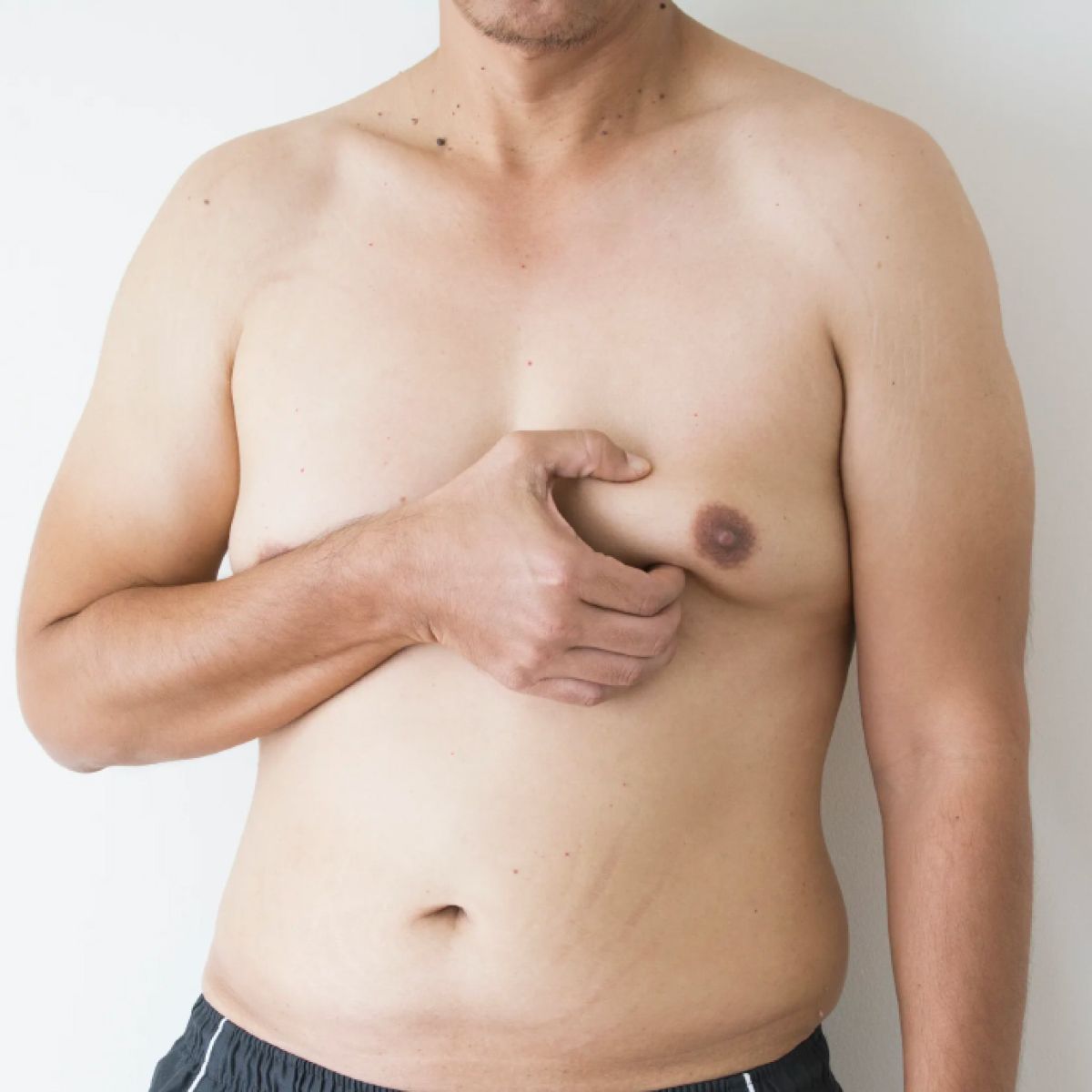
True gynecomastia is enlargement of the glandular breast tissue itself. The gland is firm, rubbery, and concentrated in a disc directly behind and around the nipple. It is often tender, and it may affect one side more than the other.
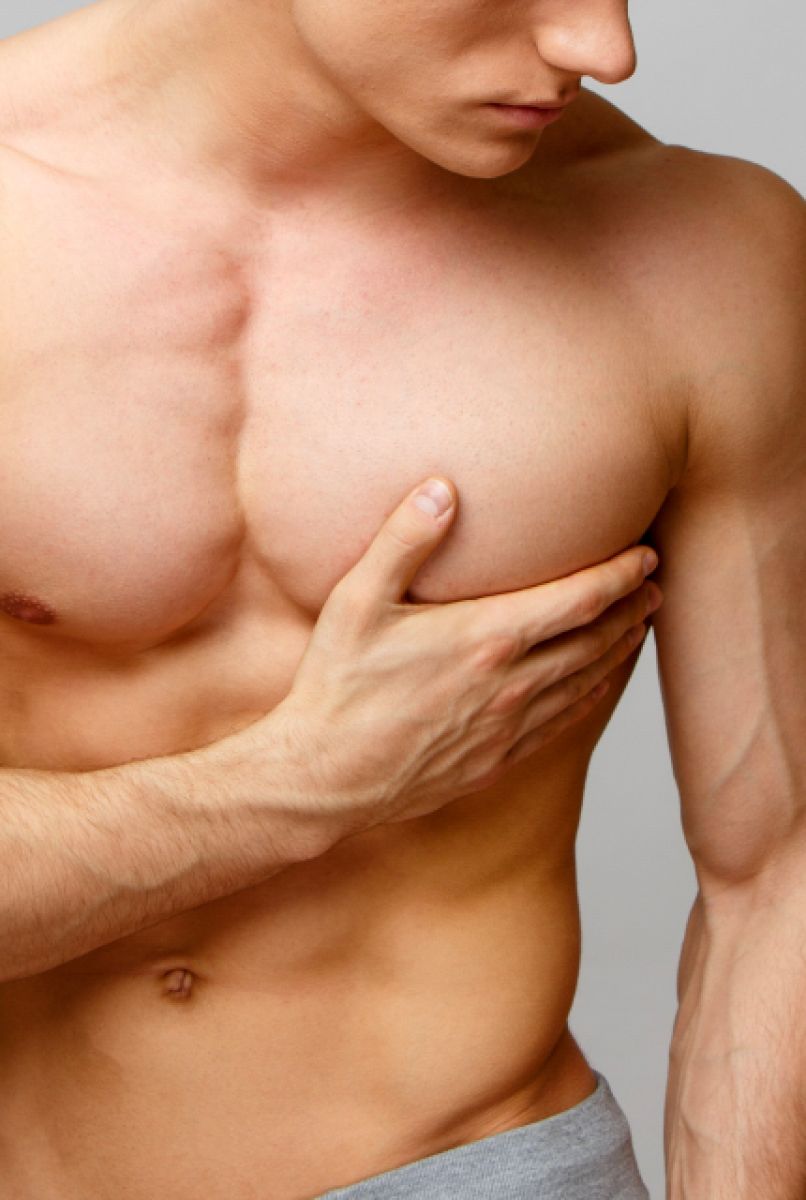
Pseudogynecomastia is fat accumulation in the chest without glandular enlargement. It is soft, more evenly spread across the chest, and it corresponds to overall body fat.
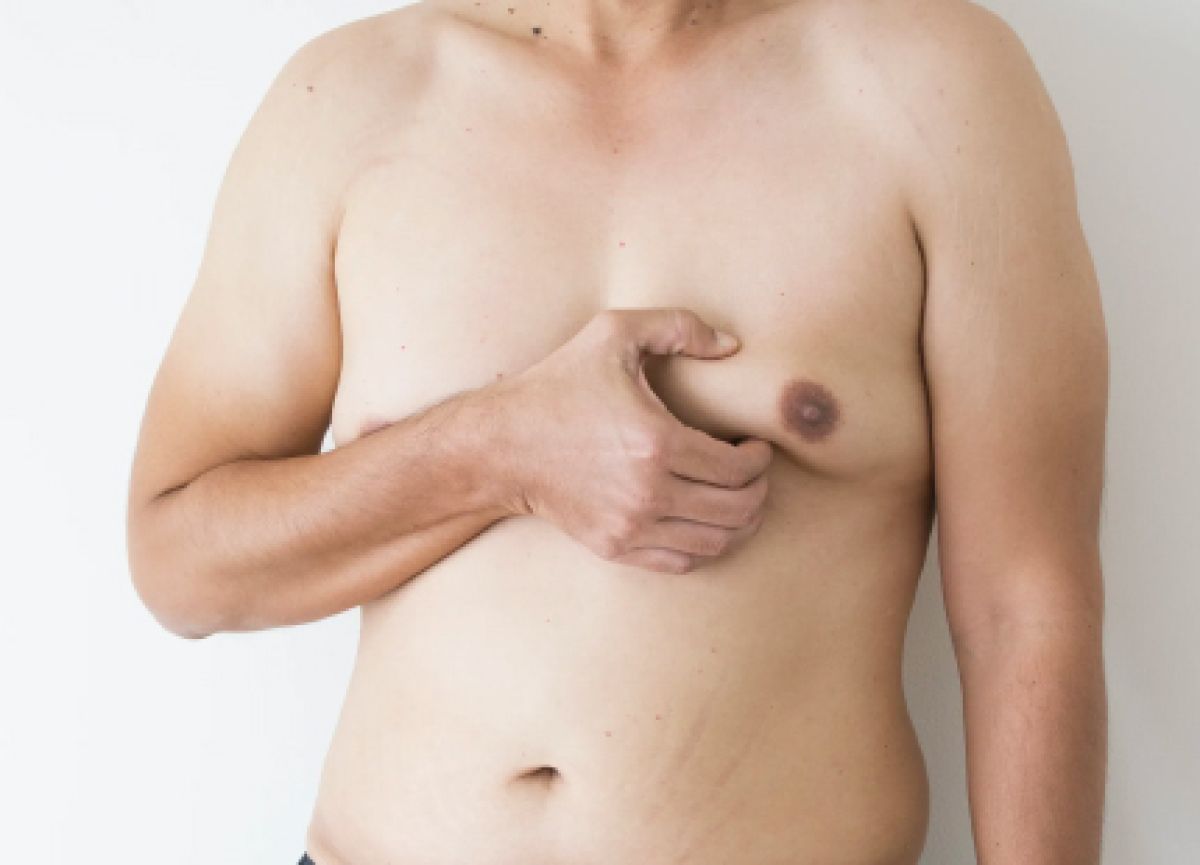
Many men have a combination of the two, which is why examination matters. A rough guide is that glandular tissue feels like a firm disc you can grip behind the nipple, whereas fat feels uniform. This is only a guide; it is not a diagnosis.
Fat responds to weight loss and to liposuction. Glandular tissue does not. This is the single most useful thing I can tell a man who has spent two years in the gym wondering why his chest has not changed while the rest of him has. If the tissue is glandular, no amount of training will remove it, because it is not fat.
Equally, treating a purely fatty chest with glandular excision is unnecessary surgery. Getting this right at assessment is most of the job.
Gynecomastia results from an imbalance between oestrogen and testosterone activity in breast tissue. Common contexts include:
Because that last category exists, investigation before surgery is appropriate rather than optional, particularly when enlargement is recent, one-sided, painful or rapidly progressive. Blood tests and imaging may be requested. This is not bureaucracy; occasionally it changes the diagnosis entirely.
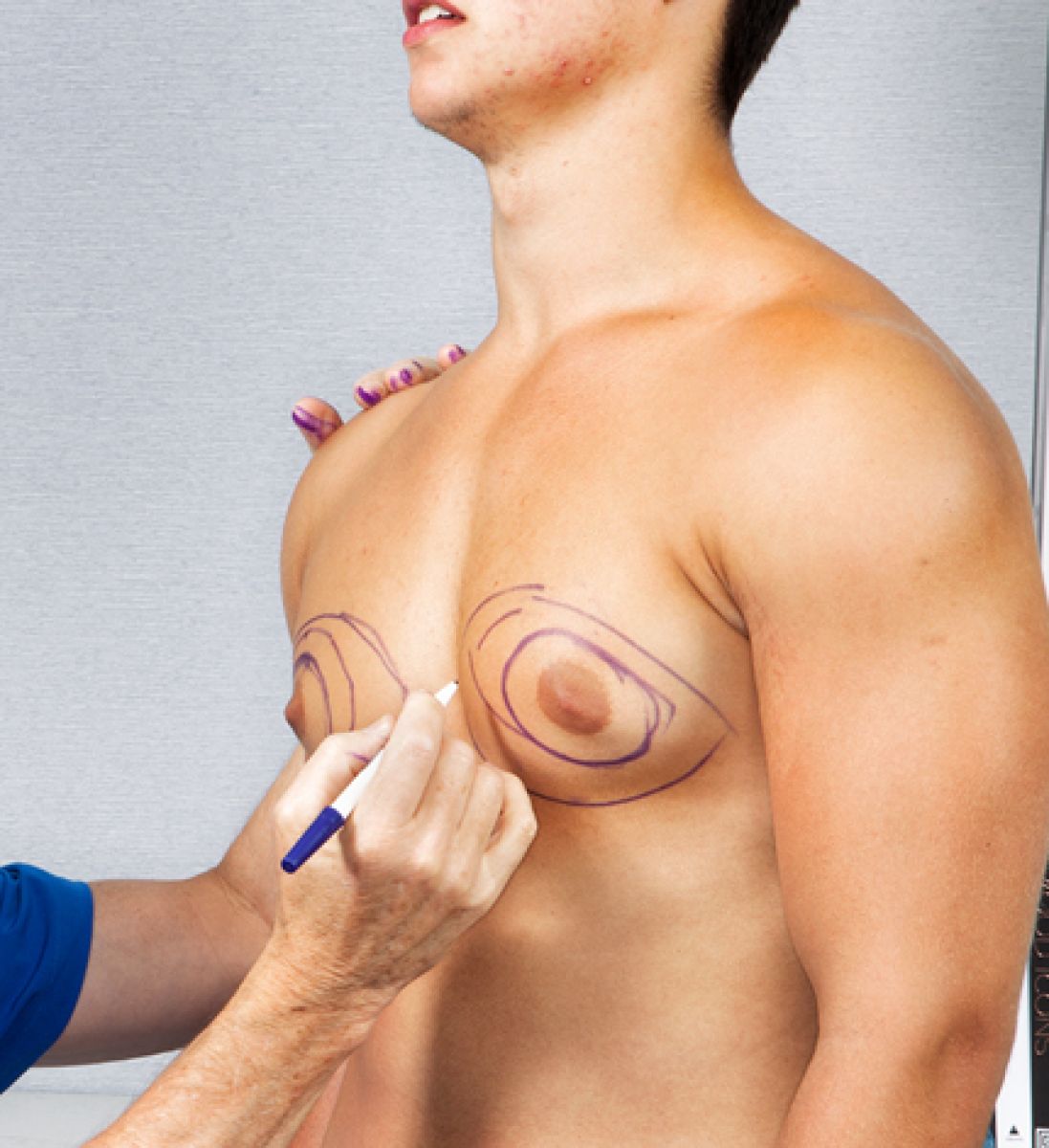
The operation is tailored to what is actually present:
The extent of the operation depends on the grade of gynecomastia, which is essentially a measure of how much tissue is present and how much the skin has stretched.
A technical point that matters: leaving a thin layer of tissue directly behind the nipple is deliberate. Removing everything produces a depressed, saucer-shaped deformity of the nipple that is conspicuous and difficult to correct.
Upper body training waits considerably longer than lower body activity, generally six weeks or more. Walking begins immediately.
That last point deserves emphasis. Surgery removes the tissue that is there. It does not prevent new tissue forming if the hormonal driver remains. This has to be addressed before, not after.
Gynecomastia surgery travels well, but it is chest surgery and it involves compression, so the planning is more involved than for a facial procedure.
Before travelling, a remote assessment should establish the likely balance of gland and fat, review your medication and supplement use, and identify whether investigations are needed before surgery. Bring the results of any blood tests or imaging you have already had.
The in-person examination confirms the plan. Compression garment fitting, wound review and the decision on when it is safe to fly all happen here. The garment then continues for weeks after you are home, and remote reviews should be scheduled rather than left open-ended.
Practical points for the journey home: do not lift luggage, use an aisle seat and move regularly, and wear the garment for the flight unless you have been told otherwise.
Men who have this operation generally report that the change is out of proportion to the size of the procedure, mainly because the condition affects clothing choices, posture and swimming for years. That is a reasonable expectation.
What it does not do is substitute for weight loss, or produce a defined chest in someone who is significantly overweight. If body fat is high, addressing that first improves both the plan and the result.
If you are unsure whether what you have is glandular tissue or fat, that is exactly the question an examination answers, and it is worth answering before deciding anything else.
Glandular tissue feels like a firm, rubbery disc concentrated behind the nipple and is often tender. Fat is softer and spread more evenly across the chest. Many men have both. Only examination, sometimes with imaging, gives a reliable answer.
Exercise reduces fat, so it helps with pseudogynecomastia. It does not remove glandular tissue, because that is not fat. This is why some men lose weight everywhere except their chest.
Gynecomastia that appears during puberty often resolves within one to two years. Long-standing gynecomastia in adults generally does not, because the tissue becomes fibrotic over time.
The removed tissue does not return, but new tissue can form if the underlying cause continues. Ongoing anabolic steroid use is the most common reason for recurrence, and it needs to be addressed before surgery rather than after.
Usually at the lower edge of the areola, where the change in skin colour and texture disguises it. In advanced cases with significant excess skin, longer incisions are needed and this trade-off is discussed beforehand.
Generally from immediately after surgery for around six weeks, with the exact duration set by your surgeon. It controls swelling and helps the skin settle to the new contour.
Walking begins immediately. Upper body training generally waits six weeks or more. Returning to heavy chest work too early risks bleeding and a poorer contour.



 MAKE APPOINTMENT