From first enquiry to the follow-up months after you fly home. What happens at each stage, how long you should plan to stay, and what you need to organise yourself.

Most of the anxiety patients feel about travelling for surgery comes from not knowing the sequence. You know the operation, but not the fortnight around it. This page sets out how the process runs, so you can judge whether it suits your circumstances before you commit to anything.
I should say at the outset that I am not going to tell you Turkey is the right choice for everyone. For some people it is not, and I say so during assessment. What follows is the process, not a sales argument.
Nothing should be booked before this. A proper remote assessment covers your medical history, current medication, previous operations, smoking status, weight history and what you actually want to change. Photographs from standard angles are needed, but photographs alone are not an assessment.
Two things should come out of this stage. First, whether the procedure you are asking about is the right one for your anatomy, which is not always the case. Second, a realistic account of what surgery can and cannot achieve for you specifically.
This is also where risk is discussed honestly. If you smoke, if your weight is not stable, if you have a clotting history or an uncontrolled chronic condition, that changes the plan or the timing. Occasionally it means the answer is no, or not yet.
The length of stay is a medical decision. It is determined by the procedure, by how you are healing and by when it is safe for you to fly. Building your travel around a cheap flight and asking the surgery to fit is the wrong way round.
Things to arrange before you come:
You are examined in person before anything is confirmed. This matters because remote assessment has limits: skin quality, tissue laxity, asymmetry and scar characteristics are things I need to see and feel.
Occasionally the in-person examination changes the plan. That is not a problem, it is the purpose of the examination. Surgery is not confirmed until this point.
Pre-operative tests are arranged, you meet the anaesthetist, and the surgical plan, the incision placement and the expected scars are gone through with you again. You should leave this conversation knowing where your scars will be.
Surgery takes place in a licensed hospital under the care of a specialist anaesthetist. Depending on the procedure you may stay in hospital one or more nights.
The first two to three days are the most demanding. Swelling peaks, movement is limited and you will need help. Early, short walks begin on the day of surgery for most procedures, because immobility is the main driver of clot risk.
You are seen for dressing changes and checks during this period. This is the part of the process that a package holiday model tends to compress, and it should not be compressed.
Your fitness to fly is assessed at a final in-person check. Two considerations govern the timing: wound healing and clot risk.
For the flight itself, the standard advice applies with more force than usual. Move regularly, walk the cabin where you can, keep hydrated, avoid alcohol, and wear compression stockings if they have been recommended for you. Aisle seats make this easier. Do not lift your own luggage.
You should leave with written aftercare instructions, any medication you need, a clear description of what normal healing looks like, a list of symptoms that require urgent attention, and a way to contact us.
This is where medical travel most often falls short, and it is the part I would scrutinise most carefully in any clinic you consider.
Follow-up should be scheduled rather than left to chance: checks at roughly week two, week six and month three, with photographs reviewed and a reply you can rely on. Scar care usually begins once the wound has fully closed and continues for months. Return to work, exercise and normal activity follows a defined timetable rather than how you feel on a given morning.
You should also know what triggers an urgent call: rapidly increasing one-sided swelling, pain that does not respond to your painkillers, fever, spreading redness or discharge, and for any patient who has recently flown, calf pain, breathlessness or chest pain.
I would rather say this plainly than have someone travel and regret it.
Distance is manageable with planning. It is not manageable without it.
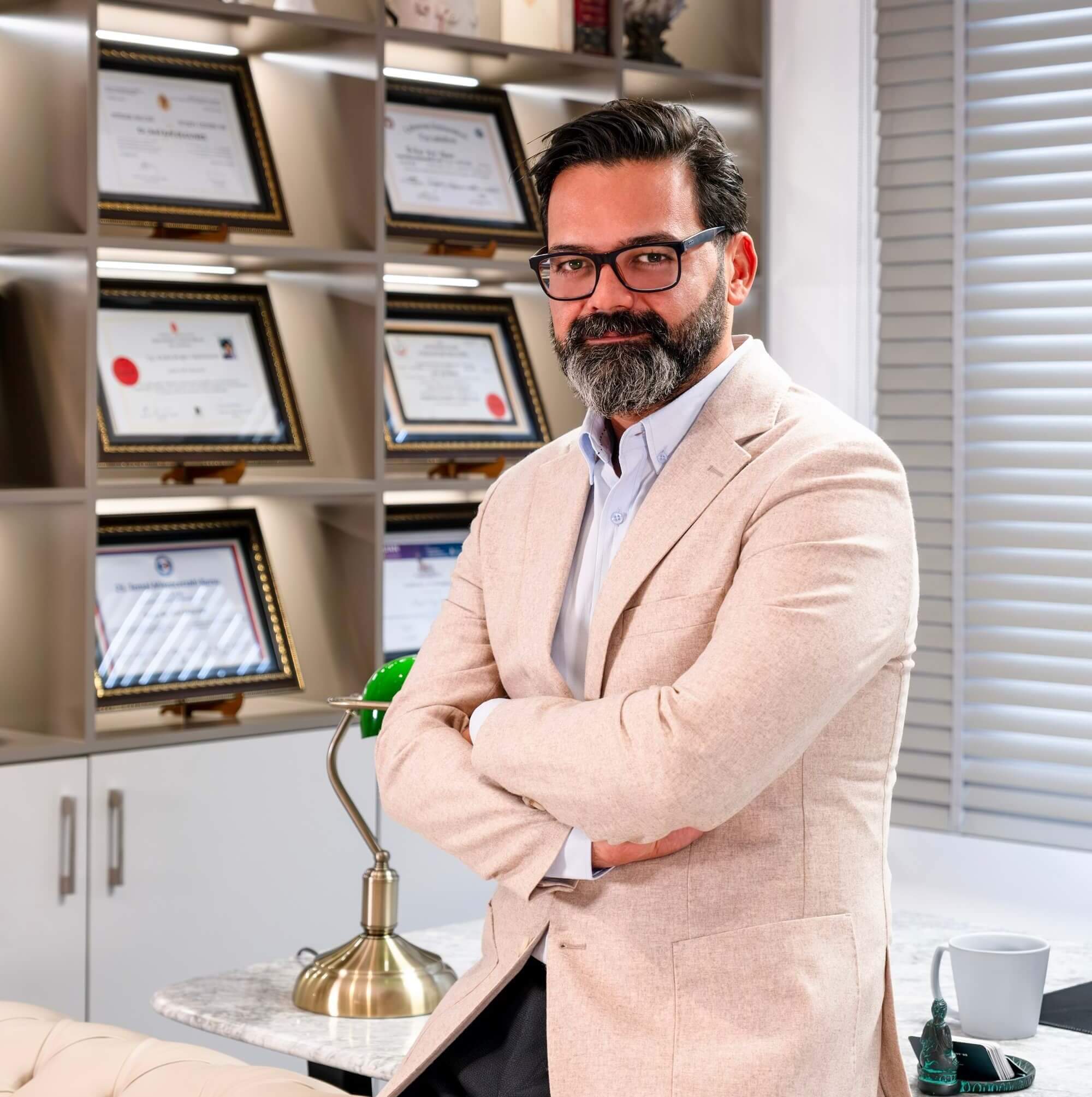
I am a plastic surgeon practising in Adana. I graduated from Hacettepe University Faculty of Medicine in 2006 and completed my residency in Plastic, Reconstructive and Aesthetic Surgery at Çukurova University Faculty of Medicine. I hold the National Proficiency Certificate awarded by the Turkish Society of Plastic, Reconstructive and Aesthetic Surgery, obtained in 2018. Breast surgery and body contouring are the areas in which I carry the highest case volume.
I assess and operate on my own patients. If you are considering travelling, the sensible next step is the assessment described in stage one, which will tell you whether this is appropriate for you before any arrangements are made.



Practical questions from patients planning to travel for surgery.
It depends on the procedure and on how you heal. The decision is made at a final in-person check, not by your flight booking. Plan a flexible return date rather than a fixed one.
For anything beyond a minor procedure, yes. You will need practical help in the first days, and it is not sensible to be alone immediately after surgery in an unfamiliar city.
Once you have been assessed as fit to fly. The two concerns are wound healing and clot risk. On the flight, move regularly, stay hydrated, avoid alcohol and use compression stockings if recommended. Do not lift your own luggage.
Many standard policies exclude elective procedures abroad and complications arising from them. Read the wording carefully before you travel and, if necessary, arrange appropriate cover.
Through scheduled remote reviews at defined intervals, with photographs and a reliable channel of contact, plus arrangements for local dressings or stitch removal if needed. Ask any clinic to describe this specifically before you book.
Sometimes, but the decision must be based on total operating time and your individual risk, not on the convenience of one trip. Combining major procedures to save a journey is a common source of avoidable problems.
That is the purpose of the in-person examination, and it does happen. Surgery is not confirmed until you have been examined in person and the plan has been agreed with you.

A realistic recovery timeline for tummy tuck surgery, how long to stay before flying home, what the journey itself requires and how follow-up works once you are back.
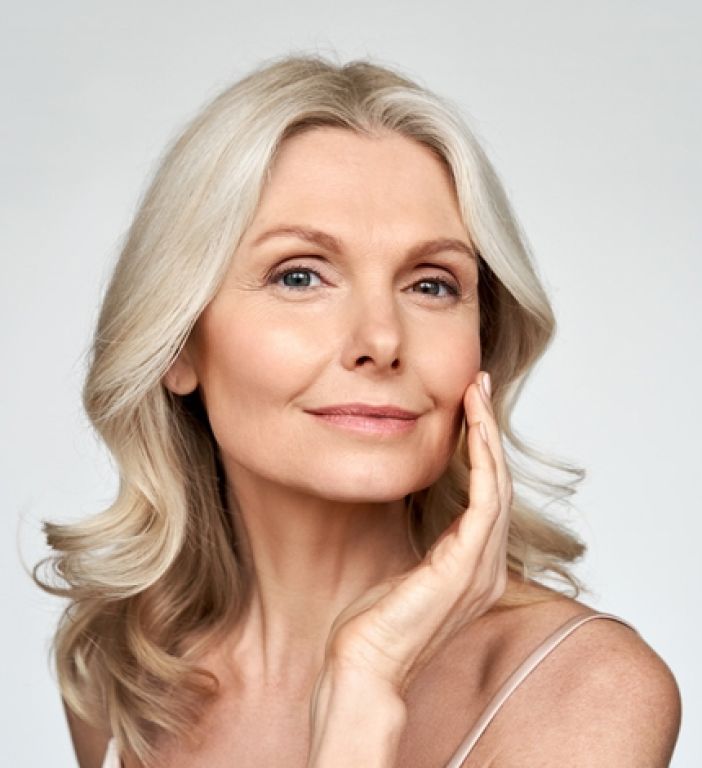
Stem Cell Rejuvenation Aging is an inevitable process, but modern medical advancements have opened the door to revolutionary treatments that can slow down and even reverse some of its effects. One of the most promising innovations in regenerative medicine is stem cell rejuvenation therapy. This groundbreaking approach harnesses the body’s natural ability to heal and regenerate, offering a powerful solution for those seeking youthful, healthy skin and tissue.

Breast sagging, medically known as breast ptosis, is a common condition caused by the loss of skin elasticity and changes in breast tissue. While often seen as a cosmetic concern, it can also impact self-esteem and body image. The causes are multifactorial and surgical and non-surgical solutions are offered to individuals seeking treatment.


 MAKE APPOINTMENT