
A realistic recovery timeline for tummy tuck surgery, how long to stay before flying home, what the journey itself requires and how follow-up works once you are back.

Abdominoplasty is one of the larger operations in aesthetic surgery, and for patients travelling from abroad the recovery is the part that needs the most planning. The operation itself is a single day. What follows determines both your result and your safety, and a good deal of it happens after you have flown home.
This page sets out a realistic timeline. Individual recovery varies, and your own surgeon's instructions take precedence over anything written here.
In abdominoplasty a wide area of skin and fat is lifted off the abdominal wall, the separated abdominal muscles are repaired, excess skin is removed and the navel is repositioned. That means a long incision, a large raw surface underneath and a repaired muscle layer that needs protecting.
Two consequences follow for anyone travelling. First, mobility is genuinely limited in the early days. Second, the combination of a long operation, reduced movement and then a flight raises the risk of a blood clot more than for most cosmetic procedures. This is why the timing of your return flight is a medical decision.
You will usually stay in hospital at least one night. There is tightness across the abdomen and standing fully upright takes time; walking slightly bent forward in the first days is normal and expected. Do not force yourself upright, but do walk.
Short, frequent walks begin on the day of surgery. This is the single most effective thing you can do to reduce clot risk, and it also helps the bowels recover from anaesthesia.
Drains are commonly placed to remove fluid that collects under the lifted tissue. The daily volume is recorded and the drains come out when it falls sufficiently. A compression garment is worn from the outset.
Sleeping is done with the upper body raised and the knees slightly bent, which takes tension off the incision. Supporting the abdomen with your hands when coughing makes it considerably more comfortable.
Swelling and bruising are at their most obvious, and the abdomen may look fuller than before surgery. This surprises people and it is temporary.
You are seen for wound checks and dressing changes during this period. Numbness across the lower abdomen is normal and results from small sensory nerves being affected; it recovers gradually over months and a small amount may persist.
Most patients begin to stand more upright towards the end of the second week. Desk work becomes possible for many people around this point, though not lifting or driving.
The compression garment continues. Swelling reduces noticeably but rises again through the day, which is normal; the abdomen is typically flattest in the morning.
Light activity increases progressively. Lifting anything heavy, including children and luggage, is still off limits. Core exercise in particular waits, because the muscle repair needs time to hold.
Scar care usually begins once the wound has fully closed, generally around two weeks after the stitches are dealt with. Silicone gel or silicone tape has the strongest evidence behind it, and it needs consistent use for months rather than weeks to be worth doing.
Most of the swelling resolves by the end of the second month, but deep swelling persists longer. The final abdominal contour is generally apparent at six months and occasionally takes a year.
The scar is at its most red and raised in the first three months, then fades progressively. It requires sun protection for at least a year; an unprotected new scar can darken permanently.
Judging your result before three months is misleading, and judging it at two weeks is meaningless.
This is the question every international patient asks, and the honest answer is that it depends on your operation, your recovery and your individual clot risk rather than on a fixed number of days.
Two things govern the decision. The wound must be healing securely, with no sign of fluid collection or infection. And enough time must have passed for your clot risk to have fallen, given that you are about to sit still for several hours.
The decision is made at an in-person check before departure. My advice to patients is to book a flexible return ticket rather than a fixed one, so that a few extra days never becomes a financial decision.
This is where medical travel most often fails, and it is worth agreeing the detail before you travel rather than afterwards.
Reviews should be scheduled at defined points, typically around week two, week six and month three, with photographs from consistent angles and a reliable way to get a reply. Arrange in advance whether you will need a local nurse or doctor for dressings or stitch removal, and tell your own GP what has been done.
You should also know exactly what warrants an urgent call rather than a routine message.
The last group requires emergency assessment at the nearest hospital rather than a message to your surgeon. This applies for several weeks after surgery and after any long flight.
If you are planning abdominoplasty and travelling for it, the most useful thing you can do before booking anything is to establish how long you will realistically need to stay and how follow-up will work once you are home. Those two answers tell you whether the plan is sound.
Questions from patients planning abdominoplasty recovery abroad.
Long enough for the wound to be healing securely and for your clot risk to have fallen. The decision is made at an in-person check before you fly, not by your ticket. Book a flexible return date.
Flying too soon carries a real risk of blood clots, because a long operation, reduced mobility and then hours of sitting compound each other. Once you have been assessed as fit to fly, move regularly, stay hydrated, avoid alcohol and use compression stockings if recommended.
Most of it settles by the end of the second month, but deep swelling lasts longer. The final contour is generally apparent at six months and sometimes takes a year. Swelling that increases through the day is normal.
Typically from immediately after surgery for around six weeks, then reduced gradually. The exact duration depends on the extent of surgery and whether fluid has collected.
Not in the first six weeks, and this includes the journey home. Arrange airport assistance in advance and do not handle your own suitcase.
Reduced sensation below the navel is common and expected, caused by small sensory nerves being affected. It improves gradually over months, though a small amount may remain.
Once the wound is fully closed, usually around two weeks after the stitches are dealt with. Silicone gel or tape has the best evidence, used consistently for at least three months. Protect the scar from the sun for a year.

Stem Cell Rejuvenation Aging is an inevitable process, but modern medical advancements have opened the door to revolutionary treatments that can slow down and even reverse some of its effects. One of the most promising innovations in regenerative medicine is stem cell rejuvenation therapy. This groundbreaking approach harnesses the body’s natural ability to heal and regenerate, offering a powerful solution for those seeking youthful, healthy skin and tissue.
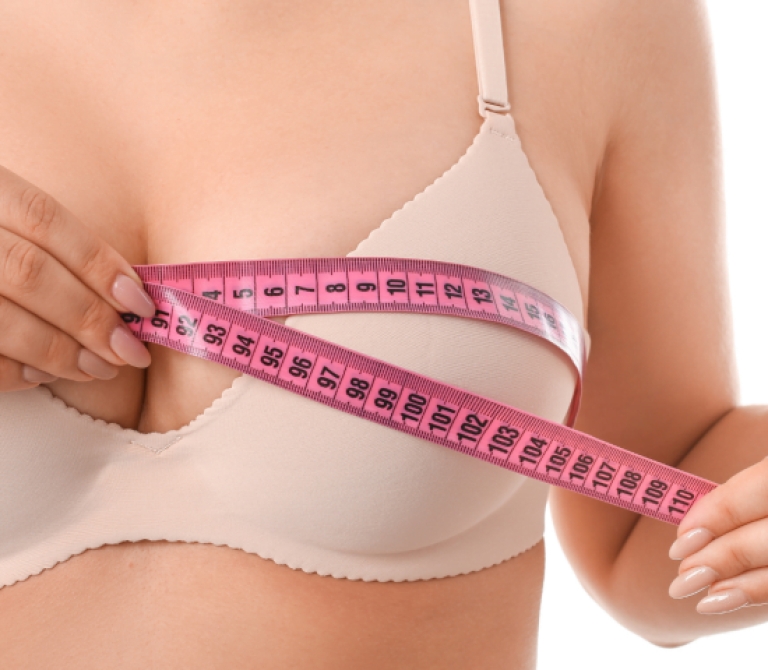
Breast sagging, medically known as breast ptosis, is a common condition caused by the loss of skin elasticity and changes in breast tissue. While often seen as a cosmetic concern, it can also impact self-esteem and body image. The causes are multifactorial and surgical and non-surgical solutions are offered to individuals seeking treatment.
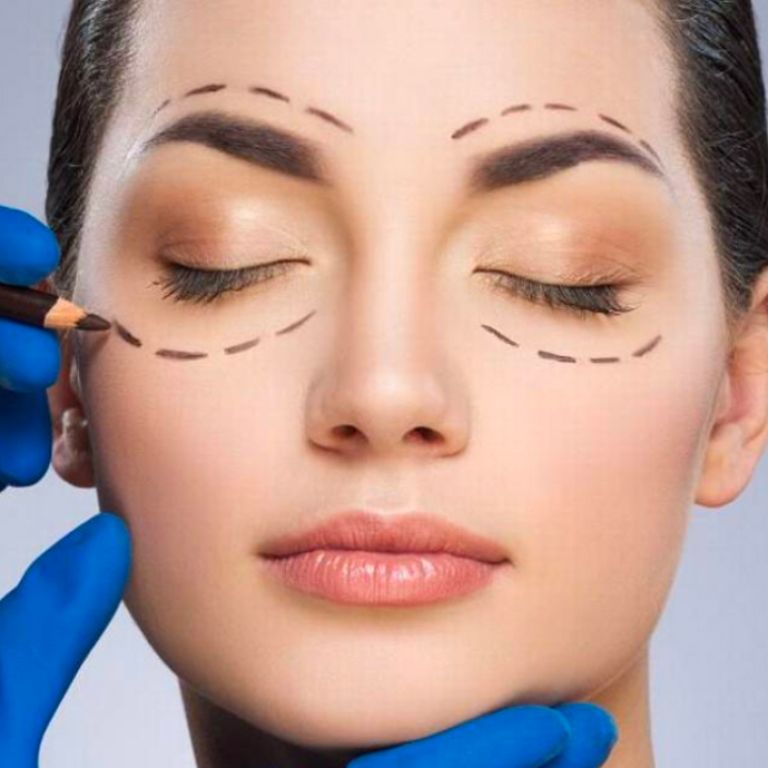
Blepharoplasty (Eyelid Surgery): Blepharoplasty Types, Blepharoplasty (Eyelid Surgery) Turkey. Why should you choose to have surgery in Turkey?



 MAKE APPOINTMENT