
There is no single safe waiting period for flying after surgery. This guide explains what we look at before we clear you to travel, how the operation changes the picture and how to prepare for the journey home from Adana.

Almost every patient who travels to us asks the same thing in the first conversation: when can I fly home? It is a fair question, and it is the wrong one to answer with a number before surgery. The honest reply is that the date depends on the operation, on how your body responds in the days after it, and on what we find when we examine you shortly before you travel.
This page explains what goes into that decision so you can plan a return journey that is realistic. It is general information. Your own surgeon's instructions always come first.
People often look for a single safe waiting period that applies to every operation. There is not one. A short procedure under light anaesthesia and a long operation on the abdomen carry different risks on a flight, and two patients who had the same operation can be ready on different days.
Because of that, we suggest you treat the return flight as something you arrange around your recovery, not the other way round. Book a flexible ticket if you can, and tell your employer and family that the date may move by a few days.
The main medical concern with flying soon after an operation is a clot forming in the deep veins of the leg. Surgery, anaesthesia and then several hours of sitting still each make a clot a little more likely, and together they add up. A clot in the leg can travel to the lungs, which is why we take this seriously.
Before we clear you to fly we look at how long the operation was, how well you are walking, whether there is swelling or tenderness in one calf, and whether you have personal or family history that raises your risk. Smoking, a previous clot, hormonal medication and limited mobility all matter, and we ask about them before surgery as well as after it.
Walking early and often after the operation is the simplest protective step, and it starts the same day as surgery for most procedures. We also tell you whether stockings or other measures are advisable in your case.
The kind of surgery shapes the conversation, though it never replaces the check on the day.
After body procedures such as abdominoplasty, the operation is long and the abdomen is tight, so sitting upright in a narrow seat is uncomfortable and mobility is reduced. These patients are usually the most cautious group. We cover that operation in detail in our abdominoplasty recovery guide, so we will not repeat its timeline here.
After breast surgery, the concerns are comfort, arm movement when lifting a bag, and supportive clothing. After facial and ear surgery, the concerns are swelling, dressings and cabin pressure and dryness, and how you feel about being seen in public with a headband or bruising. Smaller procedures generally allow an earlier journey than larger ones, but we still examine you first.
Our clinic is in Adana, so your journey home begins there. Where you go from Adana, and whether your route includes a connection, affects how tiring the day will be. Our team can talk through your specific route with you when you plan your dates. We do not give flight times here because they change with the season and the airline.
A few practical points apply to any route. A direct journey is easier than one with a connection, because a change means walking through a terminal and waiting, often with luggage. If you do need to connect, allow generous time between flights so that you are never hurrying. Choose an aisle seat so you can stand and walk without climbing over anyone. Ask the airline in advance about assistance at the airport, and arrange for someone else to lift your bags.
Dress for comfort, in loose clothing that does not press on your incisions. If you were given a compression garment, keep wearing it as instructed, because it is part of your care and not an optional extra for the journey.
Keep with you, in your hand luggage, the following: your discharge papers and operation summary, a list of any medication you were prescribed, and our clinic's contact details. If a customs or security officer asks about a garment or dressing, a short written note from us can save you an awkward conversation, so ask for one before you leave.
Drink water through the journey and avoid alcohol. Stand up and walk the aisle regularly when the seatbelt sign allows, and move your ankles and calves while seated. Follow our advice on pain relief timing so that you are comfortable throughout the journey and not catching up after landing.
If any of these appear before your flight, contact us first, whatever your ticket says:
Breathlessness or chest pain needs emergency care at the nearest hospital, not a message to the clinic. That is true before the flight, during the journey and in the weeks afterwards.
We would rather examine you than estimate. A short check before you leave, looking at your wounds, your walking and your general condition, tells us far more than any rule of thumb. If something is not right, we will ask you to stay longer, and we will explain why. A change of flight costs less than a complication in the air or at home.
When you plan your trip, ask us how long to expect to stay and what the follow-up arrangement will be once you are back. Those two answers shape the rest of your plans. You can also read about how safety is approached in plastic surgery in Turkey and the reasons patients choose to travel here.
Questions from patients planning recovery abroad.
That is not usually advisable. Most patients stay in Adana for a period after surgery so that we can check the wounds and mobility before a long journey. The length depends on the procedure and on how you are recovering.
Yes. Larger operations on the body generally call for a longer wait than smaller ones, and the final decision follows an examination, not the name of the procedure.
Surgery and long periods of sitting each make a clot in the leg slightly more likely. Walking early, staying hydrated and following our advice on stockings and movement lower that risk.
If you have been told to wear one, yes. Keep it on as instructed and ask us before changing anything about how you wear it.
Usually it is easier on the body, since a connection means more walking, waiting and luggage handling. If you do connect, leave plenty of time between flights.
Your discharge papers, a list of prescribed medication, our contact details and any note we have written for security staff. Keep water with you as well.
Contact us before you travel. Calf pain, breathlessness, chest pain, fever or a wound that is changing should be assessed first, and breathlessness or chest pain needs emergency care at a hospital.

A realistic recovery timeline for tummy tuck surgery, how long to stay before flying home, what the journey itself requires and how follow-up works once you are back.

Stem Cell Rejuvenation Aging is an inevitable process, but modern medical advancements have opened the door to revolutionary treatments that can slow down and even reverse some of its effects. One of the most promising innovations in regenerative medicine is stem cell rejuvenation therapy. This groundbreaking approach harnesses the body’s natural ability to heal and regenerate, offering a powerful solution for those seeking youthful, healthy skin and tissue.
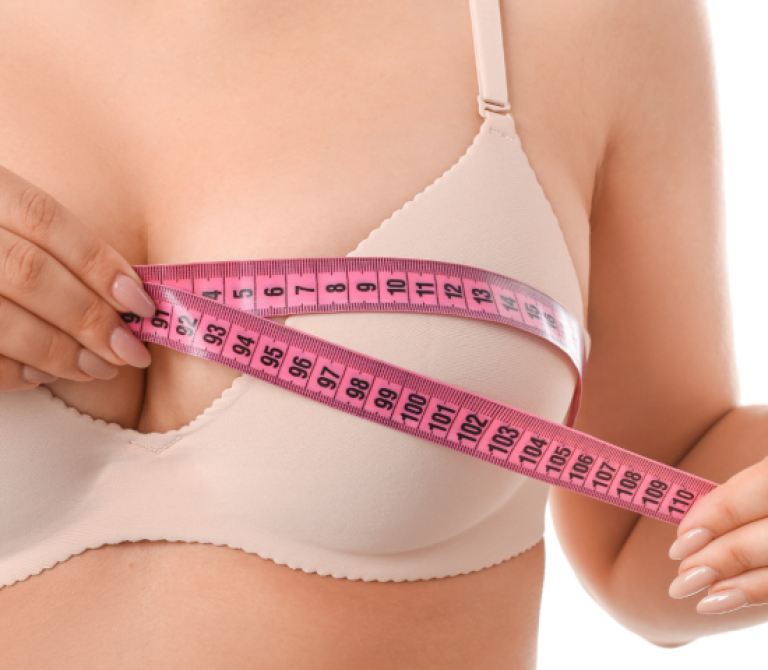
Breast sagging, medically known as breast ptosis, is a common condition caused by the loss of skin elasticity and changes in breast tissue. While often seen as a cosmetic concern, it can also impact self-esteem and body image. The causes are multifactorial and surgical and non-surgical solutions are offered to individuals seeking treatment.



 MAKE APPOINTMENT