Turkey is a major destination for cosmetic surgery, and outcomes vary enormously depending on who operates. Here is how to check a surgeon's credentials, what questions to ask, and which warning signs matter.

This is the question I am asked most often by patients contacting me from the United Kingdom, Ireland and Australia, and it deserves an honest answer rather than a reassuring one. Turkey has excellent plastic surgeons and it also has operators who should not be performing surgery at all. The country is not the variable that determines your outcome. The surgeon is.
So the useful question is not "is Turkey safe" but "how do I tell a properly qualified surgeon from a marketing operation". Below is how I would advise a member of my own family to do exactly that.
Turkey trains a large number of plastic surgeons through a structured, hospital-based residency system, and its private hospital sector is well developed. Over the past two decades that has produced a substantial market for international patients. Volume brings genuine expertise, but it also attracts intermediaries whose business is selling packages rather than practising medicine.
Understanding that split is the whole point. Both exist side by side, and from a website alone they can look identical.
In Turkey, plastic surgery is a recognised medical specialty. A surgeon completes medical school, then a residency in Plastic, Reconstructive and Aesthetic Surgery. Only doctors who have completed that residency may present themselves as specialists in the field.
There is an additional, voluntary layer worth knowing about. The Turkish Society of Plastic, Reconstructive and Aesthetic Surgery runs a national board examination. Surgeons who pass it hold a National Proficiency Certificate. It is not required in order to practise, which is precisely why it is a useful signal: it indicates a surgeon who chose to be examined when they did not have to be.
All of this is verifiable. If a clinic cannot or will not give you the surgeon's name before you pay a deposit, that alone answers your question.
In my experience the problems international patients run into are rarely surprises. The signals were there beforehand.
I would encourage you to put these in writing and keep the replies:
A surgeon who is comfortable with these questions will answer them without hesitation. Evasiveness is information.
No surgeon in any country can remove surgical risk. Bleeding, infection, poor scarring, asymmetry, altered sensation, reactions to anaesthesia and blood clots exist wherever you have your operation. Travelling adds one specific concern: long flights and immobility raise clot risk, which is why the timing of your return flight is a medical decision rather than a travel decision.
What good practice does is reduce these risks through proper assessment, appropriate case selection, a licensed hospital, a specialist anaesthetist and structured follow-up. It never claims to eliminate them. Any source that promises a guaranteed result is telling you something important about itself.
Surgery is a single day. Recovery is months. The weakest point in medical travel is almost always what happens after the patient flies home.
Before you book, establish how follow-up will work in practice. Which day is your final in-person check before departure. Who reviews your progress at week two, week six and month three. How do you send photographs and get a reply. What happens if a wound looks wrong on a Sunday.
It is also sensible to arrange a local doctor or nurse at home for dressings and stitch removal if needed, and to tell your own GP what you are having done. Not because something is likely to go wrong, but because continuity of care is what makes recovery uneventful.
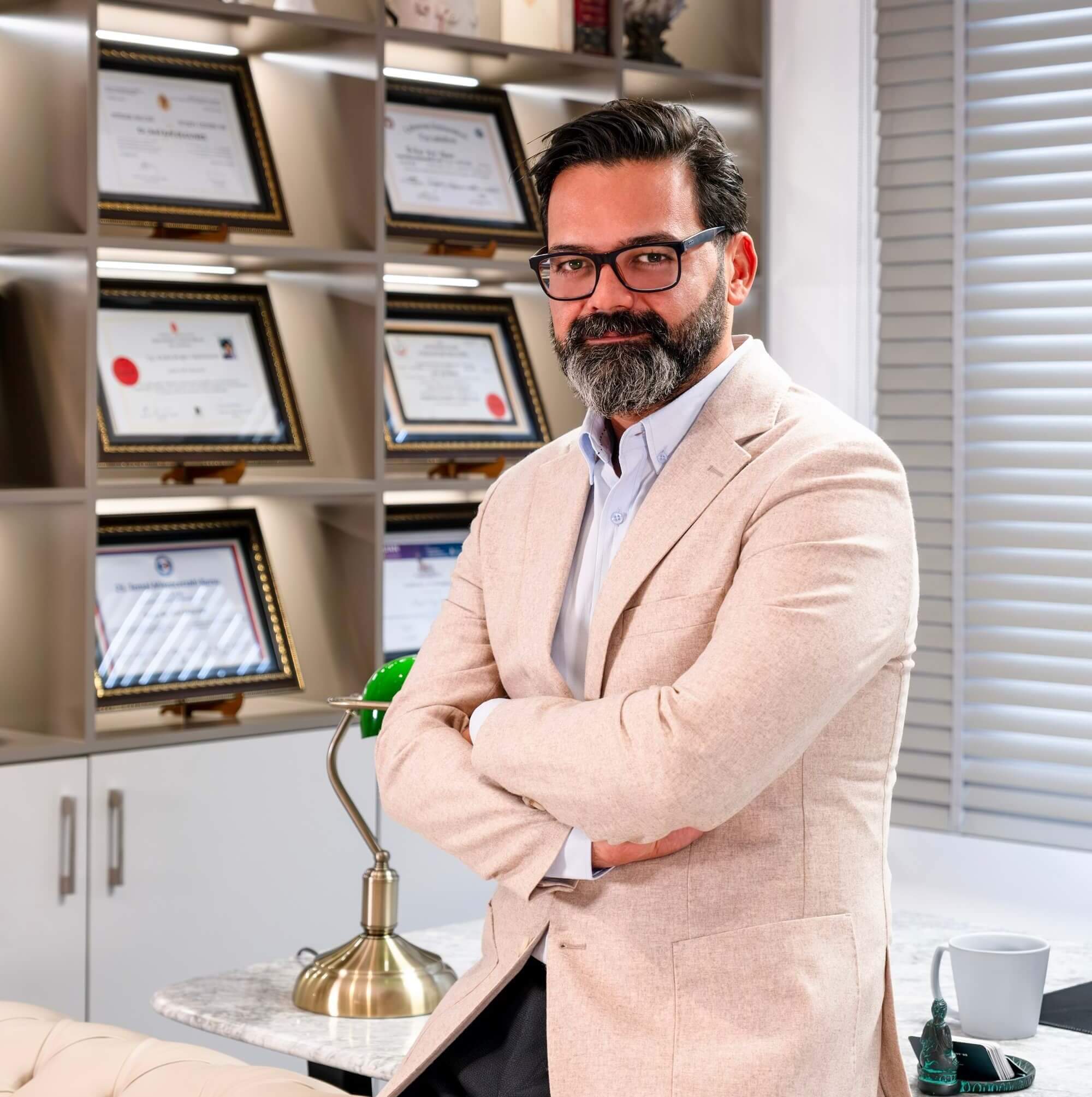
I am a plastic surgeon based in Adana. I graduated from Hacettepe University Faculty of Medicine in 2006 and completed my specialty training in Plastic, Reconstructive and Aesthetic Surgery at Çukurova University Faculty of Medicine. In 2018 I obtained the National Proficiency Certificate awarded by the Turkish Society of Plastic, Reconstructive and Aesthetic Surgery. I operate in licensed hospitals and I perform the surgery myself.
For patients travelling from abroad, I do a detailed remote assessment first, and I will tell you if I think the procedure you are asking about is not the right one for you, or if you are better served closer to home. Some enquiries end that way, and that is a legitimate outcome.
If you are weighing this decision, use the checklist above on every clinic you are considering, including mine. Surgery that is planned properly rarely goes the way the horror stories do, and the planning is where you can see the difference in advance.



Questions I am most often asked by patients considering surgery in Turkey.
It depends entirely on the surgeon and the facility, not on the country. Turkey has properly trained, board-certified plastic surgeons operating in licensed hospitals, and it also has intermediaries selling packages. Verify the individual surgeon's training and the hospital by name before you commit to anything.
Ask for their full name, medical school, where they completed their plastic surgery residency, and whether they hold the National Proficiency Certificate from the Turkish Society of Plastic, Reconstructive and Aesthetic Surgery. All of this is verifiable. A clinic that will not name your surgeon is a warning sign in itself.
Not being told who will operate on you. Closely followed by an all-inclusive package sold before anyone has assessed you, and pressure to decide quickly.
It depends on the procedure and on you. The decisive factor is your surgeon's final in-person check before you fly, not your travel plans. Flying too early carries a real clot risk, so this should be a medical decision.
Ask this before you book, and get a specific answer. There should be a named contact, a defined response time and a clear plan for local care if you need dressings or stitch removal. Vague reassurance is not an aftercare plan.
Sometimes, and sometimes not. It depends on total operating time, your general health and your individual risk profile. Combining operations because it is convenient for a travel schedule rather than because it is medically appropriate is one of the more serious problems in this field.
Yes. Continuity of care makes recovery smoother, and if you do need dressings, stitch removal or advice locally, your own doctor should know what was done.

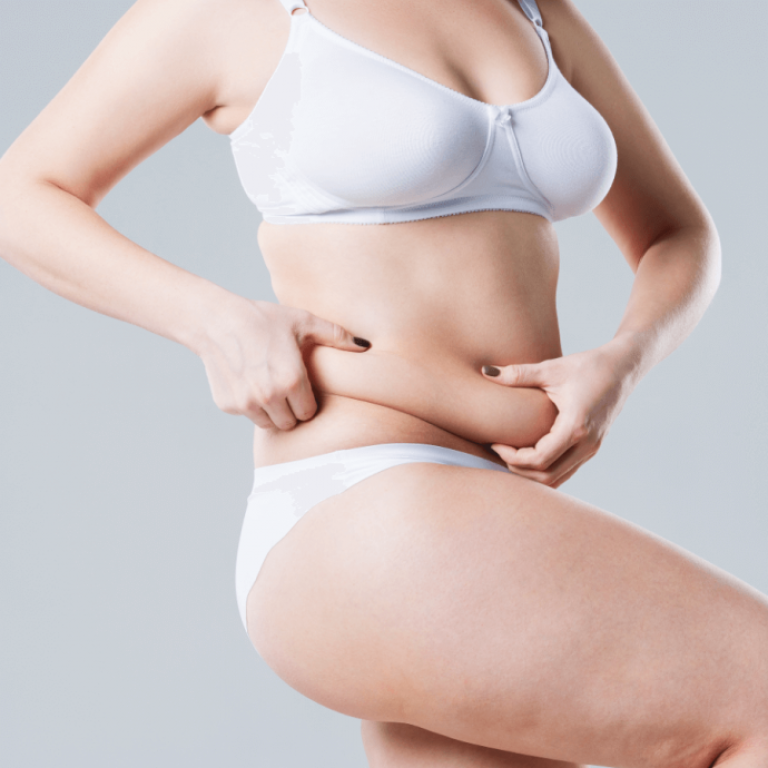
A realistic recovery timeline for tummy tuck surgery, how long to stay before flying home, what the journey itself requires and how follow-up works once you are back.
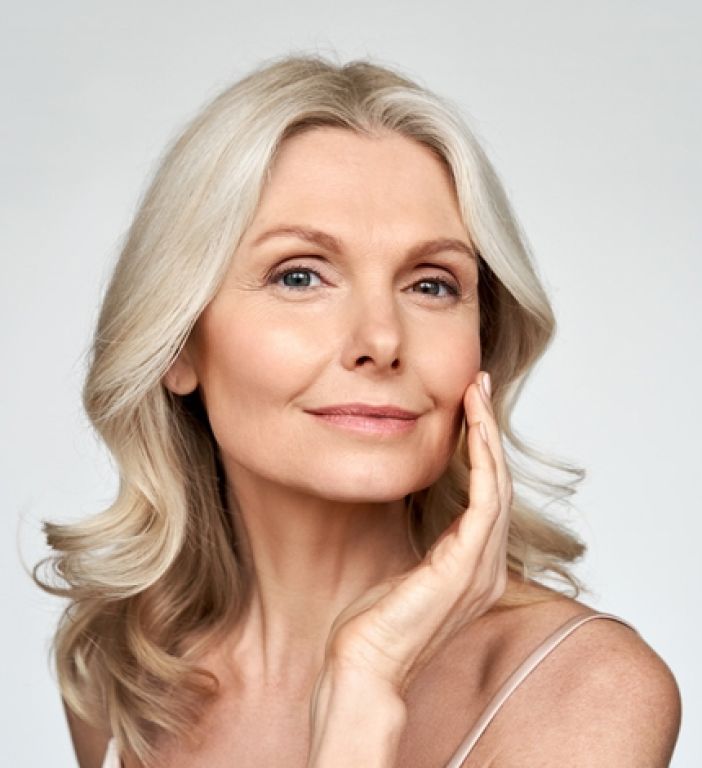
Stem Cell Rejuvenation Aging is an inevitable process, but modern medical advancements have opened the door to revolutionary treatments that can slow down and even reverse some of its effects. One of the most promising innovations in regenerative medicine is stem cell rejuvenation therapy. This groundbreaking approach harnesses the body’s natural ability to heal and regenerate, offering a powerful solution for those seeking youthful, healthy skin and tissue.

Breast sagging, medically known as breast ptosis, is a common condition caused by the loss of skin elasticity and changes in breast tissue. While often seen as a cosmetic concern, it can also impact self-esteem and body image. The causes are multifactorial and surgical and non-surgical solutions are offered to individuals seeking treatment.


 MAKE APPOINTMENT